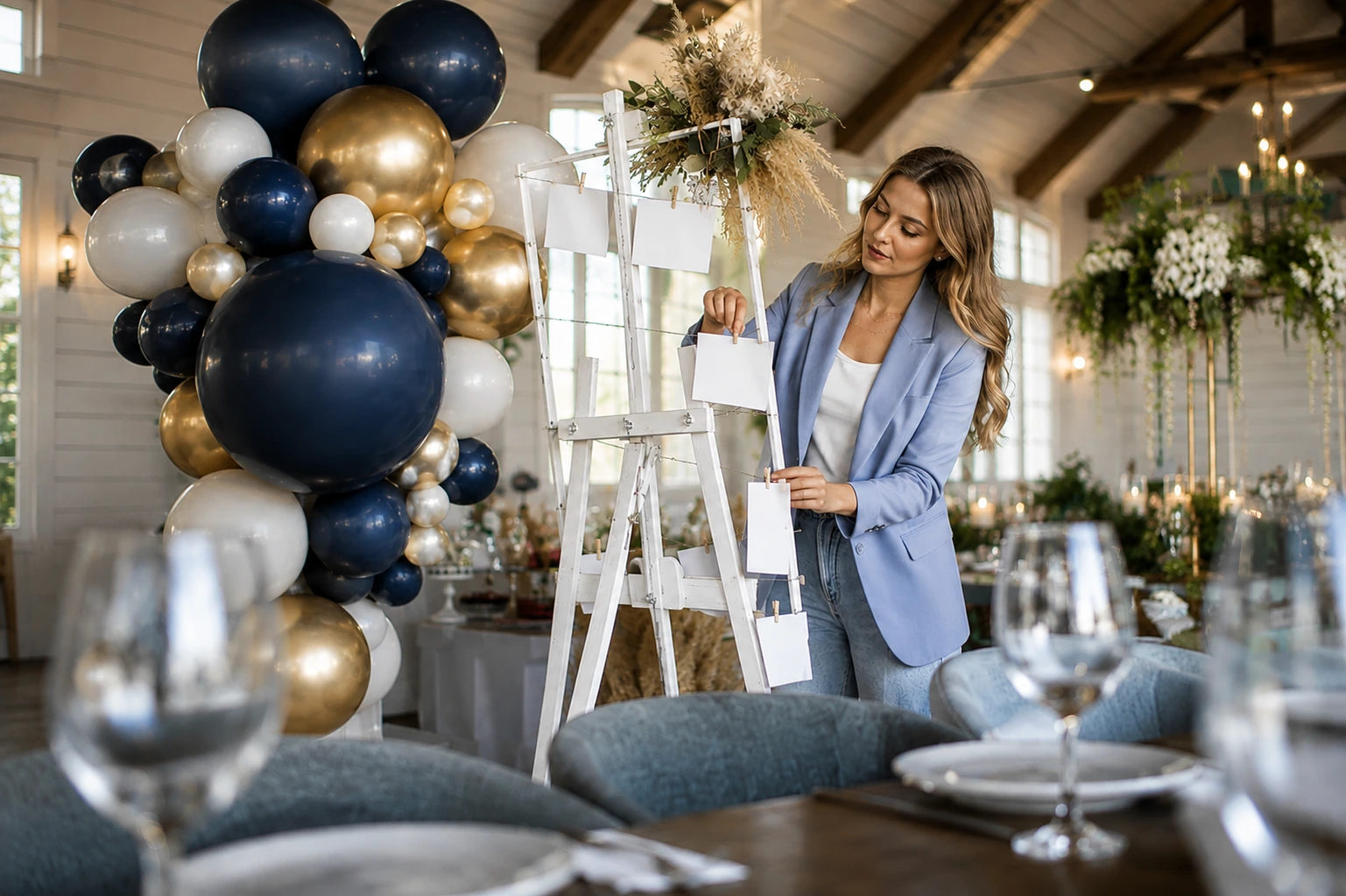
Private events can feel simple because they are personal, but homes, condominium rooms and non-traditional venues often require more planning than purpose-built event spaces. This checklist covers the practical details that support a smooth celebration from setup through final cleanup.
1. Define the event
- Purpose of the event
- Date, start time and expected end time
- Guest count, including children
- Indoor, outdoor or mixed setting
- Formal, casual or themed atmosphere
- Budget and top priorities
2. Confirm the space
Measure dining, bar and service areas. Identify kitchen access, washrooms, coat storage, garbage routes and weather backup. In condominiums, review booking rules, elevator access, noise restrictions and required insurance.
3. Plan guest flow
Consider what guests experience from arrival to departure. Where will they leave coats? Can they reach the bar without crossing the kitchen route? Is there enough room near the entrance? Good flow reduces congestion and helps staff work safely.
4. Choose food service
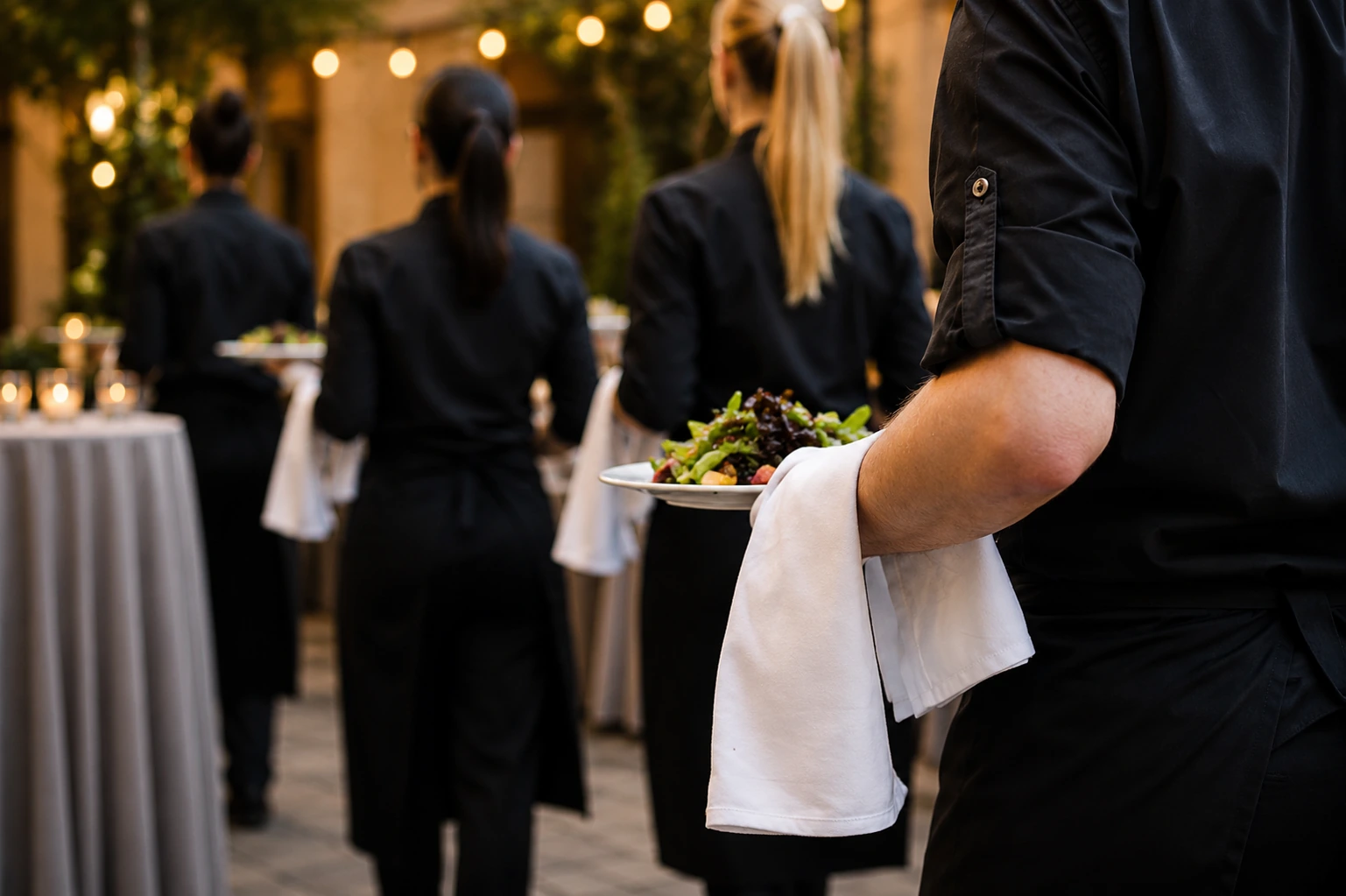
Decide whether the event will use plated dining, buffet, family-style food, passed appetizers or a combination. Confirm who prepares, transports, plates and serves the food. Ask the caterer what equipment, tables and staff are included.
5. Plan beverages
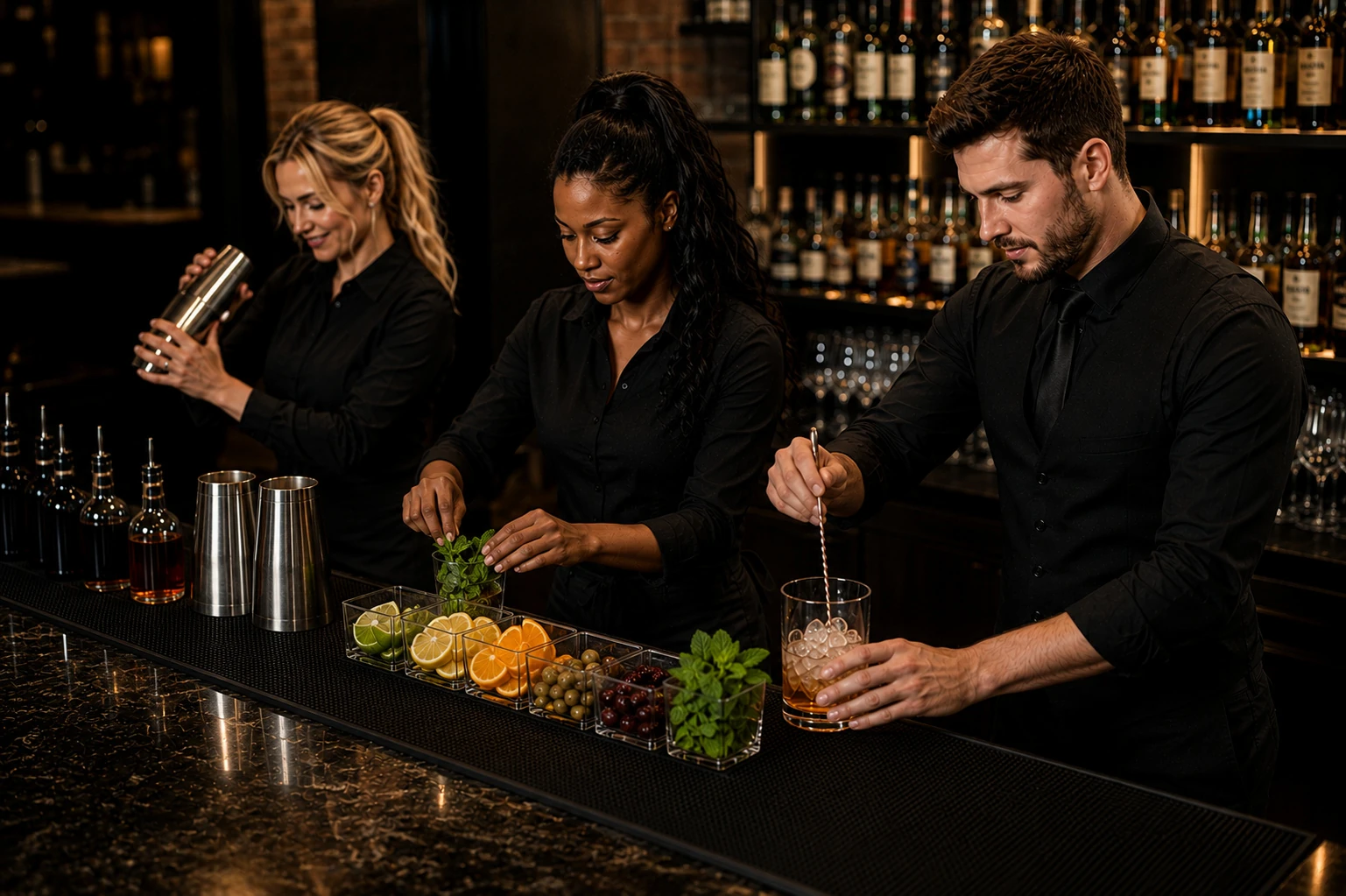
- Alcoholic and non-alcoholic menu
- Ice, mixers and garnishes
- Glassware and backup quantities
- Water stations
- Coffee and tea
- Bar placement and closing time
6. Estimate staffing
List each responsibility before choosing staff numbers. You may need bartenders, servers, bussers, coat-check attendants, prep cooks or dishwashers. A staffing provider should review guest count, service style, timeline and venue layout.
7. Build the timeline
Include vendor arrival, staff call time, setup, guest arrival, food service, speeches, entertainment, last call and cleanup. Add buffer time. Private events frequently run late because the host is also trying to manage guests.
8. Assign responsibilities
Do not rely on family members unless they have agreed to a specific task. Assign one person to communicate with staff and vendors. This allows the host to enjoy the event rather than answering operational questions all evening.
9. Prepare rentals and supplies
- Tables, chairs and linens
- Plates, flatware and glassware
- Serving trays and buffet equipment
- Bar tools and coolers
- Waste bins and bags
- Lighting, heaters or tents
- Accessibility items
10. Plan cleanup before the event
Confirm who removes garbage, washes dishes, packs leftovers, returns rentals and restores the space. Cleanup responsibilities affect staff hours and should be included in the quote.
11. Prepare for weather and unexpected changes
Outdoor events need a realistic rain, wind and temperature plan. Keep vendor phone numbers, building contacts and emergency information in one place. Small contingencies prevent last-minute decisions from disrupting the event.
Final recommendation
The best private events feel personal to guests and organized behind the scenes. Use this checklist to identify every moving part, then confirm responsibilities in writing. Bartonica provides hospitality staffing for private events across Toronto and the Greater Toronto Area.